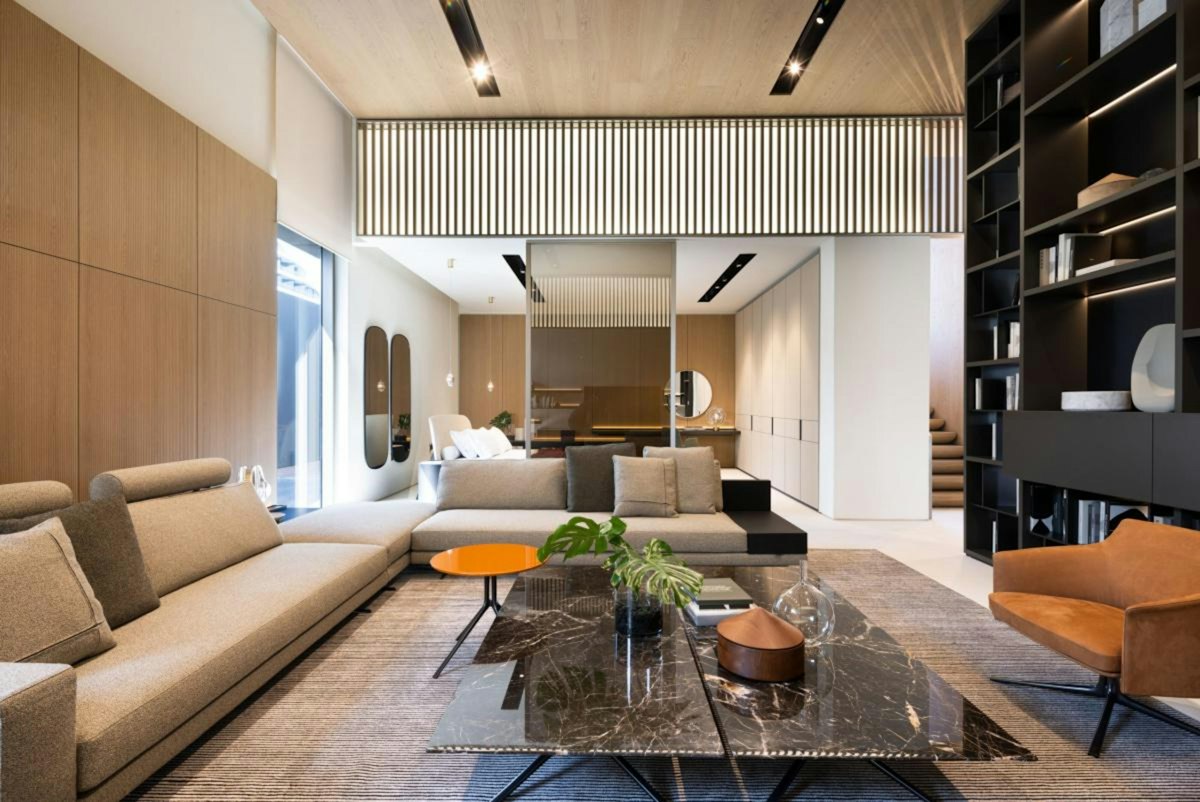
High-End Living: Defining Modern Luxury House Interior Design
When you step into a luxury house interior, the sensation is immediate. It is not merely the sight of expensive materials or the presence of designer labels that creates this feeling. Instead, it is a deliberate harmony of scale, light, and texture that suggests a life lived with intention. For many homeowners, the challenge lies in moving beyond the superficial appearance of wealth to create a space that feels genuinely sophisticated and comfortable.
Achieving this level of refinement requires a shift in perspective. You are no longer just decorating a room; you are curating an environment. This process involves understanding how different architectural elements interact with one another and how custom finishes can change the entire mood of a residence. A well-executed high-end space avoids the clutter of trends and focuses on timeless quality that remains relevant for decades.
Related posts
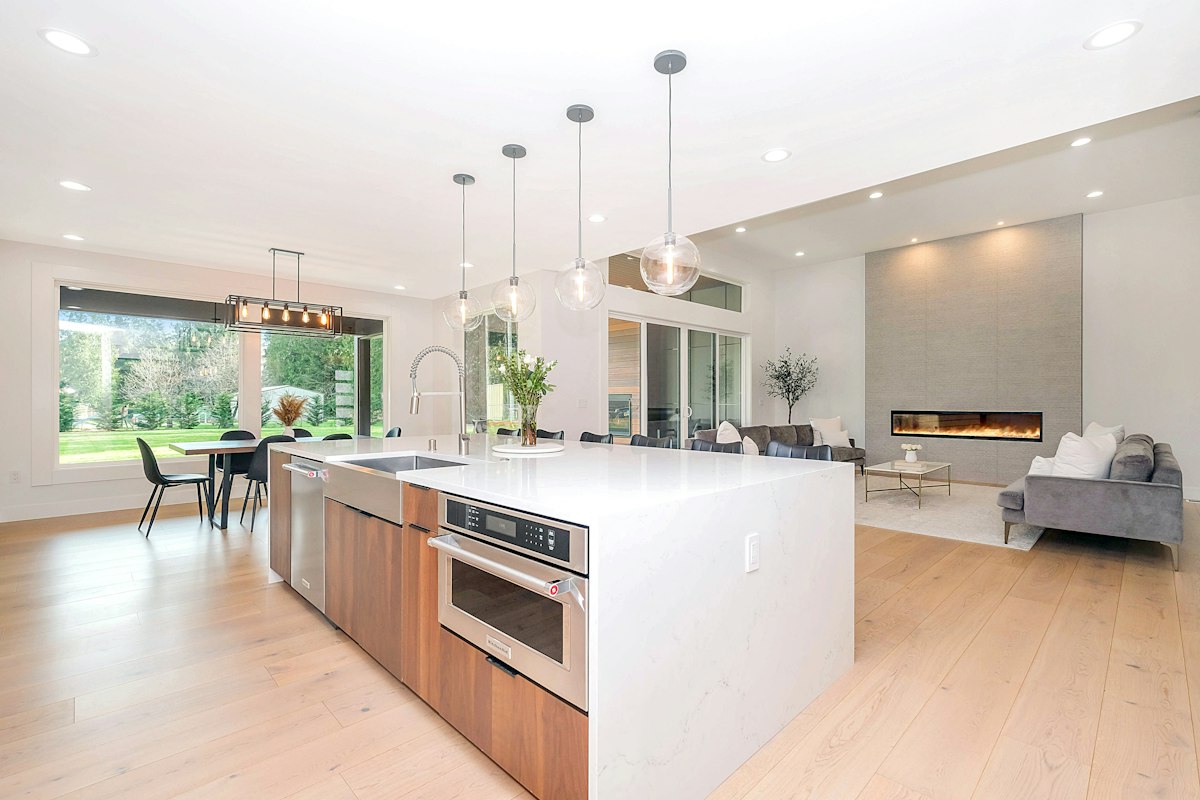
Modern Interior Design Kitchen: Concepts, Layouts, and Planning Considerations
A kitchen renovation represents one of the most demanding yet rewarding investments a homeowner can undertake. Over the...
Read more →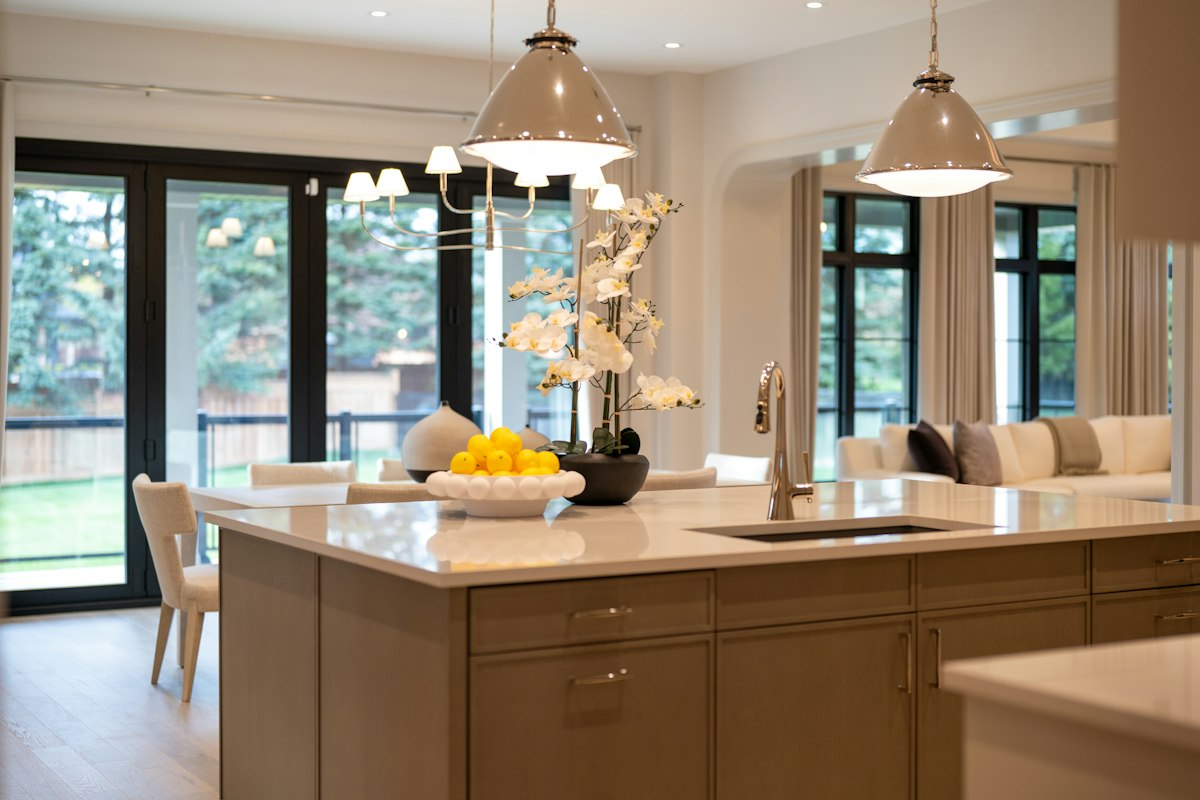
Practical Kitchen Planning: Balancing Aesthetics and Functionality
Most homeowners spend more time in the kitchen than any other room, yet it often becomes the most...
Read more →This discussion explores the fundamental pillars of premium residential design. We will look at the importance of spatial planning, the selection of rare materials, and the integration of technology that serves the user without dominating the visual landscape. Whether you are planning a complete renovation or seeking to refine a single floor, these principles provide the framework for a residence that stands apart from the ordinary.
By focusing on bespoke craftsmanship and a cohesive aesthetic vision, you can create a home that reflects your personal journey. The following sections detail the specific choices that define world-class interiors today, offering practical insights into how to balance opulence with everyday functionality.
Key takeaways
- Focus on bespoke, custom-made furniture and fixtures to ensure exclusivity and a perfect fit for your specific floor plan.
- Prioritize high-quality natural materials like marble, solid hardwoods, and natural fibers over synthetic alternatives.
- Implement a layered lighting scheme that includes ambient, task, and accent sources to create depth and highlight architectural features.
- Integrate smart home technology discreetly to improve convenience without disrupting the aesthetic flow of the rooms.
The Foundation of Spatial Luxury
In high-end design, space is the most significant luxury of all. This does not always mean having the largest square footage, but rather how that volume is utilized. A luxury house interior thrives on uninterrupted sightlines and generous proportions. High ceilings and wide corridors provide a sense of grandeur that cannot be replicated with decor alone. When planning a layout, consider the flow of movement between social zones and private retreats.
Open-plan living remains popular, but the modern approach involves creating distinct "destinations" within a larger room. This can be achieved through the clever use of rugs, ceiling treatments, or partial glass partitions. The goal is to allow the eye to travel across the space while still feeling a sense of intimacy in specific seating or dining areas. Avoiding the temptation to fill every corner is essential; negative space allows the high-quality pieces you do own to stand out.
Proportion and Scale
Scale is often where amateur designs fail. In a large room, small furniture looks lost and insignificant. Luxury interiors utilize oversized pieces—such as a ten-foot sofa or a massive custom dining table—to ground the space. Conversely, in more intimate rooms, the scale of patterns and textures must be carefully calibrated to avoid overwhelming the senses. Understanding the mathematical relationship between the height of the walls and the size of the furniture is a hallmark of professional design.
Materiality and Tactile Sophistication
The materials chosen for a luxury house interior serve as the building blocks of its identity. High-end design relies heavily on natural stone, such as Calacatta marble, quartzite, or onyx. These materials are often used in large slabs rather than tiles to minimize grout lines and showcase the natural veining of the stone. Book-matching, where two adjacent stone surfaces mirror each other, is a common technique used in grand entryways and primary bathrooms to create a striking visual focal point.
Woodwork also plays a significant role. Rather than standard finishes, luxury homes often feature exotic veneers, reclaimed wide-plank flooring, or intricate marquetry. The tactile experience is just as important as the visual one. When you touch a surface in a premium home, it should feel substantial and well-crafted. This extends to textiles; silk wallpapers, cashmere throws, and heavy velvet drapery add layers of warmth and acoustic dampening that cheaper synthetic fabrics simply cannot provide.
The Art of Layered Lighting
Lighting is the invisible element that defines the success of a luxury house interior. A single overhead light source is never sufficient. Instead, designers use a three-layer approach. Ambient lighting provides the general illumination, often through recessed architectural lights or discreet cove lighting. Task lighting focuses on specific areas like kitchen islands or home offices. Finally, accent lighting highlights artwork, sculptures, or architectural details.
The fixtures themselves are often treated as pieces of art. Hand-blown glass chandeliers, sculptural sconces, and custom-designed floor lamps act as jewelry for the room. However, the most sophisticated homes also prioritize natural light. Floor-to-ceiling windows and strategically placed skylights ensure the home feels connected to the outside world. Automated shading systems are fundamental here, allowing for precise control over light levels and privacy throughout the day.
Kitchens and Social Hubs
The modern luxury kitchen has evolved into a high-performance social hub. It is common to see a "dual kitchen" setup: a show kitchen for entertaining and a secondary scullery or "dirty kitchen" where the actual meal preparation and cleanup occur. This keeps the main living area pristine during gatherings. Professional-grade appliances from brands like Sub-Zero, Wolf, or Miele are standard, often integrated behind custom cabinetry panels for a seamless look.
Countertops in these spaces are frequently made from durable yet beautiful materials like porcelain slabs or thick-edged granite. The inclusion of a large island with seating allows the kitchen to function as an informal dining area. Attention to detail is found in the hardware—solid brass or hand-forged steel handles and faucets provide a satisfying weight and durability that mass-produced items lack.
Private Sanctuaries: The Primary Suite
In a luxury house interior, the primary bedroom and bathroom are designed as a private spa-like retreat. This area should be acoustically isolated from the rest of the home to ensure total tranquility. Walk-in dressing rooms with custom millwork, integrated LED lighting, and climate control for delicate garments are a staple of high-end living. These are no longer just closets; they are personal boutiques.
The bathroom often features a freestanding soaking tub as a centerpiece, paired with a walk-in steam shower equipped with multiple rain heads and body jets. Heated floors and towel warmers are standard comforts. By using the same stone on the floors and walls, designers create a monolithic, serene environment that promotes relaxation. The goal is to create a space where the homeowner can decompress away from the demands of the outside world.
Investment and Cost Considerations
Building or renovating a luxury house interior requires a significant financial commitment, and understanding where to allocate the budget is essential. Unlike standard renovations, high-end projects involve high labor costs due to the level of craftsmanship required. Custom cabinetry, for instance, can cost three to four times more than premium modular options, but it provides a perfect fit and unique finishes that define the home's value.
Materials also represent a large portion of the expenditure. Sourcing rare stones or sustainable hardwoods often involves international shipping and specialized installation teams. It is also worth considering the long-term maintenance of these materials; while they are durable, they often require specific care routines to preserve their appearance. Investing in a professional interior designer or architect is usually the most cost-effective decision, as they prevent expensive mistakes and provide access to trade-only resources and artisans.
FAQ
How do I make a luxury interior feel cozy rather than cold?
The key to warmth in a high-end space is texture and layering. Use a mix of materials like wood, wool, and leather to break up hard surfaces like stone or glass. Soften the acoustics with rugs and heavy curtains, and use warm-toned lighting (2700K to 3000K) to create an inviting atmosphere in the evening.
Is smart home technology necessary for a luxury home?
While not strictly necessary, it is highly expected in modern luxury house interiors. The focus should be on "invisible" tech—systems that control lighting, climate, and security via a single interface or voice command. The goal is to remove friction from daily life rather than adding complicated gadgets that clutter the design.
How do I choose art for a luxury space?
Art should be a personal choice rather than a decorative one. A luxury interior is the perfect backdrop for a curated collection. Consider the scale of the walls; a large-format painting can anchor a room, while a gallery wall of smaller pieces can add character to a hallway. Consult with an art advisor if you are looking to build a collection that also serves as a financial investment.
What is the difference between luxury and premium design?
Premium design often refers to high-quality, mass-produced items that are better than average. Luxury design, however, is characterized by exclusivity, bespoke craftsmanship, and rare materials. In a luxury interior, many elements are one-of-a-kind and designed specifically for that particular home and homeowner.
How long does a full luxury interior renovation typically take?
Depending on the scope and the level of customization, a full renovation can take anywhere from twelve to twenty-four months. This timeline accounts for the design phase, the sourcing of international materials, and the meticulous installation of custom millwork and stone. Patience is required to achieve the highest level of finish.
Conclusion
Creating a luxury house interior is an exercise in restraint as much as it is an expression of abundance. It requires a deep appreciation for quality, an eye for detail, and the courage to prioritize personal comfort over fleeting trends. By focusing on the fundamentals of space, light, and materiality, you can build a residence that is both visually stunning and profoundly functional. The most successful interiors are those that tell a story—not of what was bought, but of how the inhabitants choose to experience their world. Start with a clear vision, invest in the best craftsmanship you can afford, and allow the space to evolve into a true reflection of your lifestyle.