
Securing Your Perimeter: The Power of Biometric Smart Door Locks for Main Gates
Your main gate isn't just an entry point; it's the critical first line of defense for your property. For generations, we've relied on traditional keys and mechanical locks, enduring the hassle of fumbling for keys, worrying about lost spares, or managing access for visitors, deliveries, and service providers. These conventional methods, while familiar, often introduce vulnerabilities and inconveniences that modern homeowners and businesses are increasingly unwilling to accept.
The desire for enhanced security, coupled with a seamless user experience, has driven significant innovation in access control. Imagine a world where your main gate recognizes you instantly, granting access without a single touch, or where you can remotely allow entry to a trusted delivery person from anywhere in the world. This isn't a futuristic fantasy; it's the reality offered by biometric smart door locks.
Related posts
Professional Automated Sliding Gate Barrier Installation: Technical Requirements and Best Practices
Securing a property perimeter requires more than just a physical barrier; it demands a seamless integration of mechanical...
Read more →Heavy-Duty Motorized Curtain Track Installation: Structural Mounting, Wiring, and Setup
Hanging heavy velvet drapes, multi-layer acoustic theater curtains, or massive floor-to-ceiling glass wall coverings requires hardware that goes...
Read more →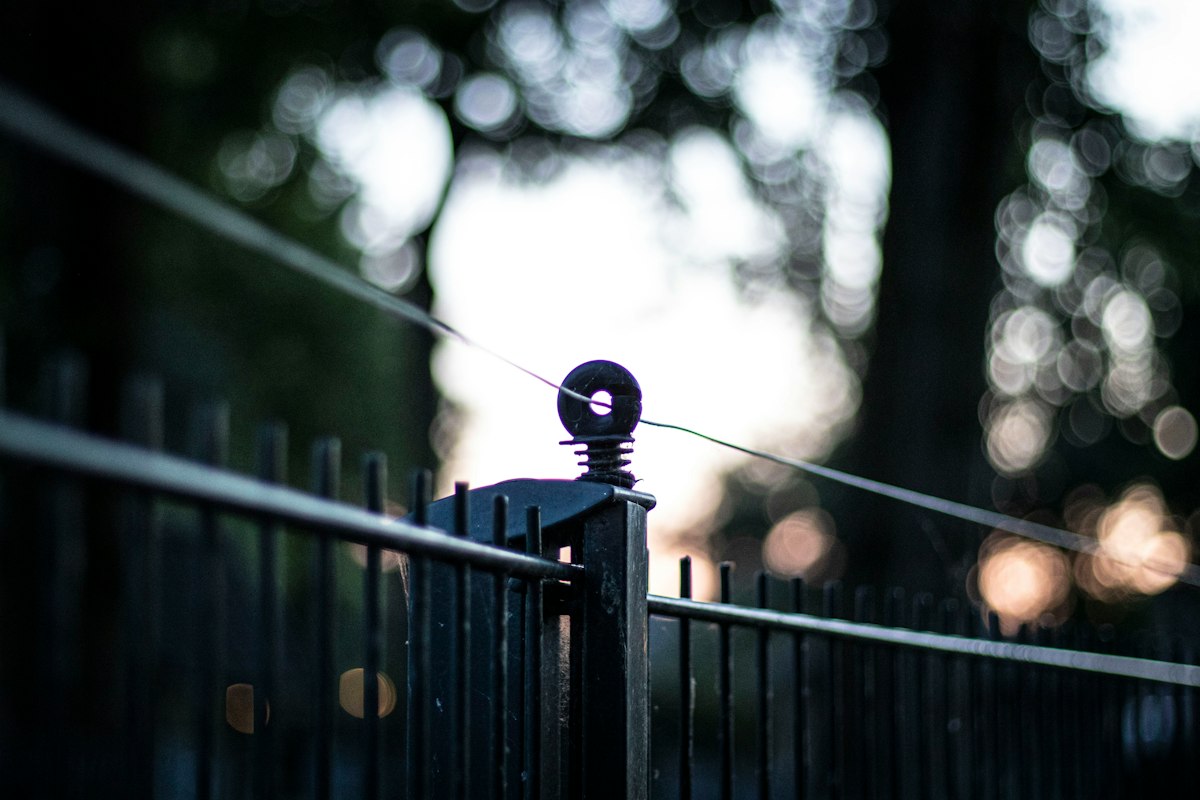
Modernizing Boundary Defense with AI Perimeter CCTV Security Camera Systems
Securing a large property used to mean hiring a small army of guards or dealing with a constant...
Read more →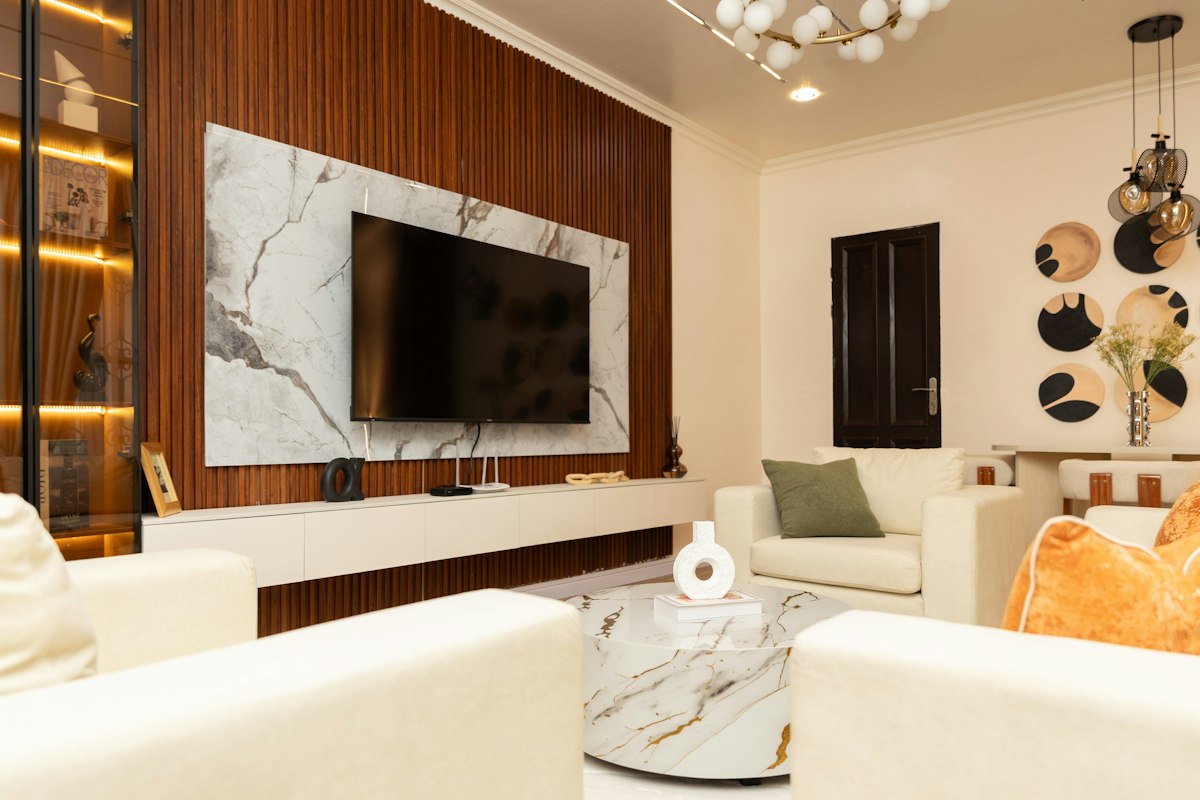
Centralized Smart Climate Control for Villas: Elevating Comfort and Efficiency in Large Estates
Managing the internal temperature of a sprawling villa presents challenges that standard residential thermostats simply cannot meet. When...
Read more →Integrating advanced technology into your main gate security system offers a profound upgrade. These sophisticated locks leverage unique biological identifiers – like your fingerprint or facial structure – to provide unparalleled security and convenience. They represent a significant leap beyond traditional methods, offering peace of mind that comes with cutting-edge protection.
This article dives deep into the world of biometric smart door locks specifically designed for main gates. We'll explore the advantages they bring, the technologies underpinning them, crucial factors to consider before investing, and practical insights to help you make an informed decision for safeguarding your property's primary entrance.
Key Takeaways
- Superior Security: Biometric locks use unique identifiers, making them significantly harder to bypass than traditional keys or codes.
- Effortless Access: Enjoy keyless entry, remote control, and simplified guest management for your main gate.
- Durability is Paramount: Outdoor main gate locks demand robust weatherproofing and construction to withstand environmental challenges.
- Smart Integration: Many systems connect with existing smart home platforms, centralizing your property's security and automation.
Why Biometric for Main Gates?
The main gate is a unique security challenge. It's exposed to the elements, often sees high traffic, and sets the tone for your property's overall security posture. Biometric smart locks address these challenges with several compelling advantages.
Enhanced Security
At its core, biometric security offers a level of personal authentication that traditional methods simply can't match. A fingerprint, a facial scan, or an iris pattern is inherently unique to an individual. Unlike keys that can be lost, stolen, or duplicated, or PIN codes that can be forgotten or compromised, your biometric data is always with you and incredibly difficult to replicate.
Modern biometric sensors are highly sophisticated, employing anti-spoofing technologies to differentiate between a live person and a replication attempt. This makes unauthorized access significantly more challenging, providing a robust deterrent against intruders.
Unmatched Convenience
Imagine approaching your main gate with an armful of groceries or after a long day, and it simply opens for you. That's the promise of biometric convenience. No more fumbling for keys in the dark, no more worrying if you locked the gate behind you. Access is quick, seamless, and hands-free.
Beyond personal entry, these systems revolutionize guest management. You can grant temporary access to a gardener, a cleaner, or a delivery service with just a few taps on your smartphone, and revoke it just as easily. This level of control is simply not possible with mechanical locks.
Durability and Weather Resistance
Unlike indoor door locks, a main gate lock faces constant exposure to sun, rain, dust, and temperature fluctuations. A biometric smart lock for a main gate must be built to withstand these harsh conditions. Manufacturers design these locks with high IP (Ingress Protection) ratings, signifying their resistance to dust and water.
Look for materials like stainless steel, zinc alloy, or hardened aluminum, which resist corrosion and physical tampering. The internal electronics also require robust sealing to ensure long-term reliability in an outdoor environment.
Integration with Smart Home Systems
For many, a biometric gate lock isn't a standalone device but a component of a larger smart home ecosystem. These locks often integrate seamlessly with platforms like Amazon Alexa, Google Home, Apple HomeKit, or dedicated security systems.
This integration allows for centralized control, automation rules (e.g., gate opens when your car approaches), and real-time alerts. You can monitor gate activity, receive notifications when someone enters or exits, and even view live camera feeds linked to your gate, all from a single app.
Understanding Biometric Technologies
Several biometric methods are employed in smart locks, each with its own set of characteristics. Understanding these will help you choose the technology best suited for your main gate.
Fingerprint Recognition
Fingerprint recognition is perhaps the most common and widely accepted biometric method. Modern sensors are highly accurate and fast, recognizing your unique ridge patterns in less than a second. They are generally reliable and user-friendly, requiring only a quick touch.
- Pros: Widely available, relatively inexpensive, quick authentication, easy to enroll multiple users.
- Cons: Can be affected by dirt, moisture, or cuts on the finger. Some older optical sensors can be fooled by high-quality prints. Capacitive sensors are more secure.
Facial Recognition
Facial recognition offers a truly hands-free experience. As you approach the gate, the lock scans your face, verifies your identity, and grants access. Advanced systems can even detect depth and motion to prevent spoofing with photos or videos.
- Pros: Completely hands-free, very fast authentication, can often work with glasses or hats.
- Cons: Can be affected by extreme lighting conditions (too bright or too dark), potential privacy concerns regarding data storage, generally more expensive.
Iris/Retina Scans
While less common for residential main gates due to cost and complexity, iris or retina scanning offers the highest level of biometric security. The unique patterns in your iris or retina are incredibly complex and stable over time, making them extremely difficult to forge.
- Pros: Extremely high accuracy and security, virtually impossible to spoof.
- Cons: Very expensive, requires precise alignment, less user-friendly for frequent access, typically found in high-security commercial applications.
Other Authentication Methods
Crucially, most biometric smart locks for main gates don't rely solely on biometrics. They offer redundancy through other methods:
- PIN Codes: A numerical keypad allows entry via a memorized code. Essential as a backup.
- RFID Cards/Fobs: Proximity cards or key fobs offer a convenient alternative, especially for guests or service personnel who don't want to enroll biometrics.
- Mobile App Control: Your smartphone can act as a key, allowing you to open the gate via Bluetooth or Wi-Fi, often with remote capabilities.
- Mechanical Key Override: A traditional physical key slot is a non-negotiable backup for power failures or system malfunctions.
Choosing the Right Biometric Lock for Your Main Gate
Selecting the ideal biometric smart lock involves more than just picking a technology. Several practical considerations impact its effectiveness and your satisfaction.
Security Certifications and Standards
Look for locks that adhere to recognized security standards. While specific certifications vary by region, brands with a reputation for robust security features and encrypted data handling are preferable. Enquire about data encryption protocols and whether biometric templates are stored locally or in the cloud.
Weatherproofing and Durability
As mentioned, an outdoor gate lock needs to be tough. Check the IP rating. An IP65 rating indicates dust tightness and protection against water jets, suitable for most outdoor conditions. IP66 or IP67 offer even greater protection. Also, consider the operating temperature range to ensure it functions reliably in your local climate.
Power Source and Backup
Biometric locks require power. Options include:
- Battery-powered: Common for ease of installation, but battery life is a concern. Look for models with long battery life indicators and easy replacement.
- Hardwired: Provides continuous power, eliminating battery changes, but requires professional electrical installation.
Regardless of the primary power source, a reliable mechanical key override is essential. Some models also offer an emergency USB power input to temporarily power the lock if batteries die.
Connectivity Options
How will your lock communicate? Bluetooth is common for local control via your phone. Wi-Fi or a dedicated hub allows for remote access and integration with smart home systems. Consider the range and reliability of these connections, especially for gates far from your main router.
User Management and Access Control
A good system allows for easy enrollment and deletion of users. Can you set time-limited access for certain individuals? Can you view an access log to see who entered and when? These features are invaluable for managing multiple users and maintaining an audit trail.
Installation Complexity and Compatibility
Some biometric locks are designed for DIY installation on existing gates, while others require professional fitting, especially if hardwiring or significant gate modification is needed. Ensure the lock is compatible with your specific gate type (swing, sliding, pedestrian, vehicle) and material (wood, metal, composite).
Cost Considerations
Biometric smart locks for main gates vary widely in price. Entry-level models might start a few hundred dollars, while advanced systems with facial recognition, robust weatherproofing, and extensive smart home integration can run into the thousands. Factor in the cost of professional installation if required, and any potential subscription fees for advanced cloud features or data storage.
Installation and Maintenance
Once you've chosen your lock, proper installation and ongoing care ensure its longevity and performance.
Professional vs. DIY
While some simple battery-powered models might be suitable for a confident DIYer, the complexity of a main gate lock often warrants professional installation. An expert ensures proper alignment, secure mounting, correct wiring (if applicable), and optimal sensor placement for reliable operation. This is especially true for heavy gates or integration with gate openers.
Regular Cleaning and Checks
Outdoor components, particularly fingerprint sensors and camera lenses, can accumulate dirt, dust, or water spots. Regular, gentle cleaning with a soft, damp cloth is crucial to maintain optimal performance. Periodically check for loose screws, worn seals, or any signs of damage that could compromise weather resistance.
Software Updates
Like any smart device, your biometric lock will likely receive firmware updates. These updates often include security patches, performance improvements, and new features. Ensure you keep your lock's software up to date as recommended by the manufacturer to maintain its security and functionality.
Addressing Common Concerns
It's natural to have questions when adopting new technology, especially for something as critical as home security.
Privacy and Data Security
A significant concern for many is the security of their biometric data. Reputable manufacturers employ strong encryption for data transmission and storage. Ideally, biometric templates should be stored locally on the device rather than on a cloud server. Always review the manufacturer's privacy policy to understand how your data is handled.
Reliability in Extreme Conditions
Modern biometric locks are engineered to perform in a wide range of temperatures and weather conditions. However, extreme cold can sometimes affect battery performance, and heavy rain or snow might temporarily obscure sensors. Choosing a lock with a high IP rating and a wide operating temperature range is key to mitigating these issues.
Battery Life and Power Outages
For battery-powered locks, battery life is a common concern. Most locks provide low battery warnings well in advance. As a failsafe, virtually all smart locks include a mechanical key override. For hardwired systems, an uninterruptible power supply (UPS) or a backup battery system for the gate opener itself can ensure continued operation during power outages.
False Positives/Negatives
While rare with advanced sensors, a biometric system might occasionally fail to recognize a legitimate user (false negative) or, in extremely rare cases, incorrectly recognize an unauthorized person (false positive). Quality locks have very low false acceptance rates (FAR) and false rejection rates (FRR). Providing multiple biometric enrollments (e.g., two fingers) or using a secondary authentication method like a PIN code can help mitigate these rare occurrences.
FAQ
Are biometric locks truly secure against hacking?
Modern biometric locks are designed with robust encryption and anti-spoofing technologies, making them significantly more secure than traditional locks or simple keypads. While no system is entirely impervious, the complexity of replicating a live biometric identifier, combined with other security layers like strong encryption and secure data storage, makes them highly resistant to hacking attempts.
What happens if the power goes out or the battery dies?
Every reliable biometric smart lock for a main gate includes a mechanical key override. This means you can always open the gate with a physical key, even if there's a power outage or the batteries are completely depleted. Many battery-powered models also offer low battery warnings and emergency power input ports.
Can biometric locks work on all types of main gates?
Most biometric smart locks are designed to be adaptable to various gate types, including swing gates, sliding gates, and pedestrian gates. However, compatibility depends on the specific lock's design, its mounting requirements, and whether it integrates with an existing gate opener mechanism. Always check product specifications and consult with an installer if you have a unique gate setup.
How much do biometric smart door locks for main gates typically cost?
The cost varies significantly based on features, brand, biometric technology (fingerprint, facial recognition), weatherproofing, and smart home integration. Prices can range from a few hundred dollars for basic fingerprint models to over a thousand for advanced facial recognition systems with robust outdoor ratings and extensive connectivity. Installation costs, if professional help is needed, should also be factored in.
What is an IP rating, and why is it important for an outdoor lock?
An IP (Ingress Protection) rating indicates a device's resistance to dust and water. The first digit refers to dust protection (0-6, with 6 being dust-tight), and the second digit refers to water protection (0-8, with 8 being submersible). For a main gate lock, a minimum of IP65 is recommended, ensuring it can withstand dust and direct jets of water, providing reliable operation in outdoor conditions.
Conclusion
Upgrading your main gate security with a biometric smart door lock is a decisive step towards a more secure, convenient, and technologically advanced property. These systems move beyond the limitations of traditional keys, offering personalized access control that is both highly secure and incredibly user-friendly. By carefully considering the technology, durability, connectivity, and specific needs of your main gate, you can select a solution that not only protects your perimeter but also integrates seamlessly into your lifestyle, providing lasting peace of mind.